Blog — Child Car Seat
Insights for Buyers
Essential commercial directives, compliance frameworks, and manufacturing intelligence for distributors and OEM partners. Coverage includes guidance on 360-rotating car seats, helping you navigate global child restraint markets with precision.
ECE R129
i-Size Regulatory Scope
360° Rotational
Mechanism Safety Criteria
ISOFIX & Top Tether
Platform Integration
OEM / ODM
Commercial Sourcing Paths
Latest for Buyers
Critical technical evaluations, global trade classifications, and regulatory benchmarks designed to support informed juvenile hardware procurement.

Are 360 Rotating Car Seats Safe? What to Check
Are 360 rotating car seats safe? Check the exact model, its approval for your market, the vehicle fit, and that it is locked and used as the manual requires.
Read more »
Trusted 360 Rotating Car Seat Buyers Guide for Retailers
Explore our 360 rotating car seat buyer guide for safety compliance sourcing OEM options and choosing infant convertible or 3 in 1 models
Read more »Customs Classification — What Buyers Should Confirm
Cross-border classification for assembled seats, boosters, and modular bases should be confirmed with your customs broker. Use the notes below as buyer education — not as Holdum filing advice.
Material Integrity and Chemical Restriction Directives
Meeting retail toxicity guidelines and international import laws requires end-to-end traceability for plastics, foams, and contact textiles.
- ✓ Chemical documentation (e.g. CPSIA / REACH themes): Buyers typically request documentation covering lead, phthalates, and restricted flame retardants under applicable market rules.
- ✓ Contact-textile screening: Textile cover programs may reference OEKO-TEX Standard 100 or equivalent skin-contact screening where buyers require it.
- ✓ Finishing chemistry & PFAS themes: Some markets increasingly restrict PFAS-based water- and stain-repellent finishes — confirm finishing chemistry against destination rules.
Evaluate Child Safety Seat Sourcing with Holdum
Consult our engineering specialists on R129 compliance test reports, OEM tooling specifications, and global logistics documentation.
Topics we cover
Explore technical deep dives, compliance analyses, and manufacturing perspectives prepared specifically for child restraint distributors, private label brands, and OEM buyers.
i-Size and ECE R129 Regulatory Testing Protocols
Understand the dynamic test criteria governing European market approval, including lateral door-intrusion sled tests, frontal deceleration pulses, and head excursion thresholds commonly measured with anthropomorphic test devices (ATDs) such as Q-series dummies in accredited labs. Buyer education notes for convertible and all-in-one platforms cover how R129-style dynamic criteria are typically applied during homologation — verify market-specific reports with Holdum for the programs you source.
Browse i-Size / ECE R129 car seats →
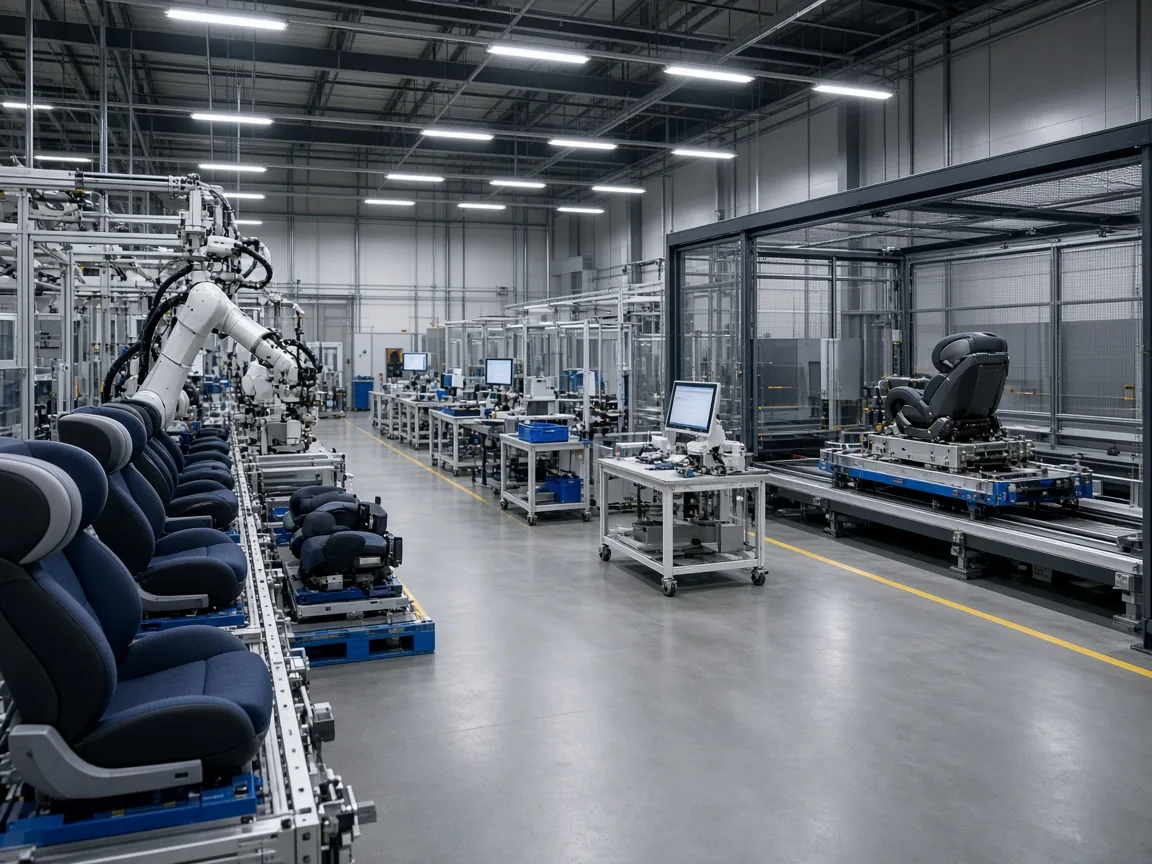
Rotating Car Seat Mechanical Architecture
Examine how precision 360-degree rotation hubs are engineered to prevent debris binding, maintain tight axial tolerances, and withstand violent shear loads during multi-vector collisions. Learn more about our 360 rotating car seats and the mechanical rigor required for safety.
- ✓ Turntable cycle endurance and eccentric load stability specifications
- ✓ Dual-direction locking pins with clear visual engagement indicators
- ✓ Internal particle channels preventing rotational mechanism jams
Convertible & All-in-One Shell Engineering
Tooling configurations, multi-wall copolymer injection molds, and integrated EPP side-impact energy management across multi-stage growth platforms.
ISOFIX Rigidity & Retractable Arm Validation
High-tensile steel latch connectors, telescoping adjustment rails, and dual-state latch status indicators engineered for strict vehicle anchorage standards.
Infant Carriers & Modular Travel Systems
Our rotating infant car seat solutions feature lightweight structural shell designs, multi-position ergonomic handle hubs, and quick-release stroller dock adapters built for modular mobility ecosystems.
High-Back Booster Kinematics & Freight Nesting
Synchronized torso and headrest expansion tracks combined with folding backrest designs that maximize container packing efficiency without lowering crash performance.
Start Here: Sourcing Due Diligence for Child Restraint Platforms
Navigating child car seat manufacturing requires systematic engineering verification before commercial rollout. Use this three-step framework to audit testing capabilities, timelines, and tooling rights.

Audit Technical Competency and Sled Test Facilities
Inspect dynamic crash test rigs, dummy instrumentation, and data acquisition setups. Confirm in-house capability to replicate ECE R129 deceleration pulses across frontal, rear, and lateral impacts prior to formal homologation.
Review Commercial Terms and Validation Cycles
Establish milestones for design verification (DVP), sampling runs, and lab testing windows. Align transparent non-recurring engineering schedules and production ramp-up timelines early in project planning.
Evaluate Platform Exclusivity and Tooling Feasibility
Secure proprietary multi-cavity injection tooling ownership, steel maintenance terms, and regional sales protections. Review our mold tooling R&D expertise to clarify shared base platforms versus fully customized shell architectures.
Ready to Initiate Supplier Qualification?
Request Holdum technical evaluation checklists, production schedules, and OEM program feasibility guidelines.
Related Holdum insights & product pillars